
इक्षणम्
तमसो मा ज्योतिर्गमय
IMPLEMENTING HOLISTIC STUDENT DEVELOPMENT
Addressing The Structural Gap
Modern educational delivery consistently prioritizes localized, transactional learning metrics (examinations and rote retention) over intrinsic student developmental readiness, self-actualization, and structural capability identification.
This program presents a highly scalable, systemically integrated programmatic framework designed to operationalize the mandatory holistic development directives of the National Education Policy (NEP) 2020 and the National Curriculum Framework (NCF) 2023.
2 Hours Weekly
Operates entirely within existing timetable allocations.
Chetna Cycle
Continuous multi-dimensional cycle to track, benchmark, and lift student consciousness.
Bharatiya Gyaan Parampara & The Guru-Shishya Samwad
"What is that, knowing which, everything else becomes known?"
— The foundational inquiry of the Upanishads

The Panchkosha
Annamaya Kosha
The Physical Layer: Building a foundation of strength, nutrition, and bodily awareness.
Pranamaya Kosha
The Energy Layer: Cultivating life force, breath, and dynamic vitality.
Manomaya Kosha
The Mental Layer: Developing emotional intelligence, focus, and resilience.
Vijnanamaya Kosha
The Intellectual Layer: Awakening critical thinking, wisdom, and discrimination.
Anandamaya Kosha
The Bliss Layer: Experiencing intrinsic joy, compassion, and universal connectedness.
Program Architecture: The Twin Foundations
To guarantee operational feasibility and age-appropriate pedagogy across diverse student bodies, the programmatic architecture is stratified into two clear cohorts.
Middle School Cohort
Grades 6th to 8th: "Foundation of Self"
Centers on internal self-realization, emotional equilibrium, and stabilization across the lower and middle tiers of the Panchkosha matrix (Annamaya, Pranamaya, and Manomaya).
Activities emphasize foundational self-concept establishment, building group empathy, cultivating mental focus, and establishing basic internal confidence metrics. Prepares children for adolescent changes.
Secondary & Senior Secondary
Grades 9th to 12th: "Foundation of Purpose"
Drives toward advanced critical thinking, moral discernment, and intentional vocational navigation (Vijnanamaya and Anandamaya tiers).
To eliminate student panic regarding board examinations, intervention modules run alongside existing subject syllabi, using academic themes as practical sandboxes for complex decision-making and career mapping.
The Panch Padee Framework
The entire programmatic lifecycle executes through an agile, recursive 3-Month Cycle Process, ensuring that data collection, active intervention, and progress monitoring remain dynamic.
Baseline Chetna Survey
An initial multi-modal digital diagnostic assessing student readiness to learn. Employs a blended questionnaire format incorporating direct queries, conditional branching logic, and narrative-based scenarios.
Key Deliverables & Outputs
- Standardized Bilingual Survey Tools
- Automated Digital Ingest Scripts
- Student Readiness Baseline Scores
Operational Strategy & Scalability
To scale efficiently across thousands of state schools without requiring excessive external staffing, the operating model utilizes a leveraged, cascading "Train-the-Trainer" delivery architecture.
Teacher Sensitization
Initial immersion workshops align teachers' mindsets with IKS principles, NEP objectives, and Panchkosha applications. Teachers are trained as active mentors, supported by continuous byte-sized digital training modules.
Pluggable Materials
Teachers receive structured Teacher Intervention Manuals providing weekly script guidelines. Formative logs capture immediate real-time observations to quickly close the feedback loop.
Quality Assurance (PMU)
To guarantee data integrity and compliance, a lean Project Management Unit (PMU) network conducts unannounced spot audits and observational checks, logging validation details directly to the IT platform.
Strategic Talent Funnels
Beyond fulfilling statutory compliance requirements under NEP 2020, the program functions as a predictive talent tracking platform.
1. Entrepreneurship Pathway
Identifies students showing high calculated risk tolerance, innovative thinking, and structured team coordination. These students are funneled directly into state startup incubators and regional youth entrepreneurship programs.
2. Skill Development
Maps students displaying high spatial-mechanical aptitude, rapid practical execution skills, and applied logical intelligence. These profiles feed directly into state skill development missions and specialized vocational training programs.
3. Academic Excellence
Identifies students demonstrating exceptional analytical depth, theoretical processing capacity, and intense problem-solving persistence. These students are routed toward advanced scholarship programs.
Strategic Governance Impact
Rather than deploying generic, untargeted youth development schemes, this predictive profiling framework allows the State Government to run highly targeted, high-yield policy interventions based on the verified distribution of student talent in the state.
Research & Advisory Board
Leading researchers, psychologists, and policy experts share their thoughts on the impact and methodology of the IKSHANAM framework.
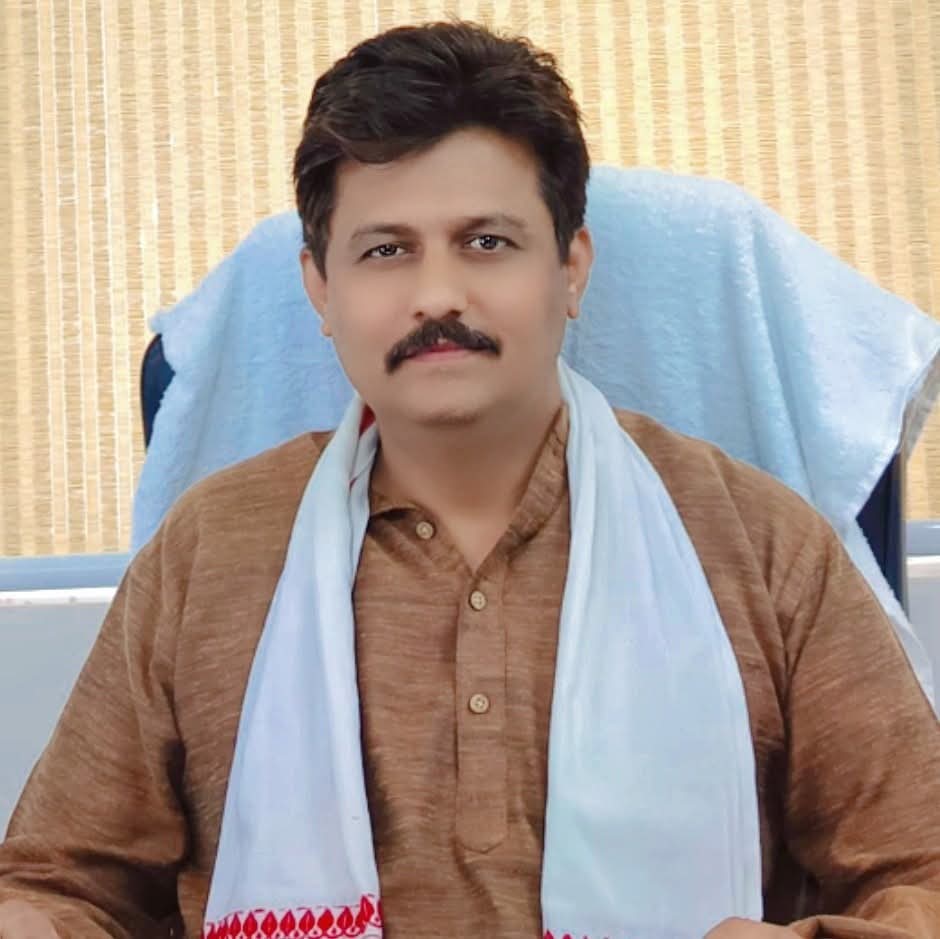
Prof. Neelabh Tiwari
Director, CSU Nashik
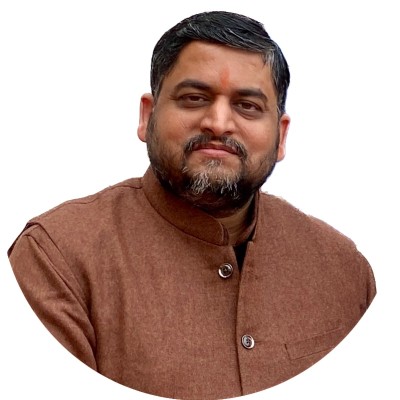
Prof. Praveen Kumar Tiwari
Professor, DU, New Delhi
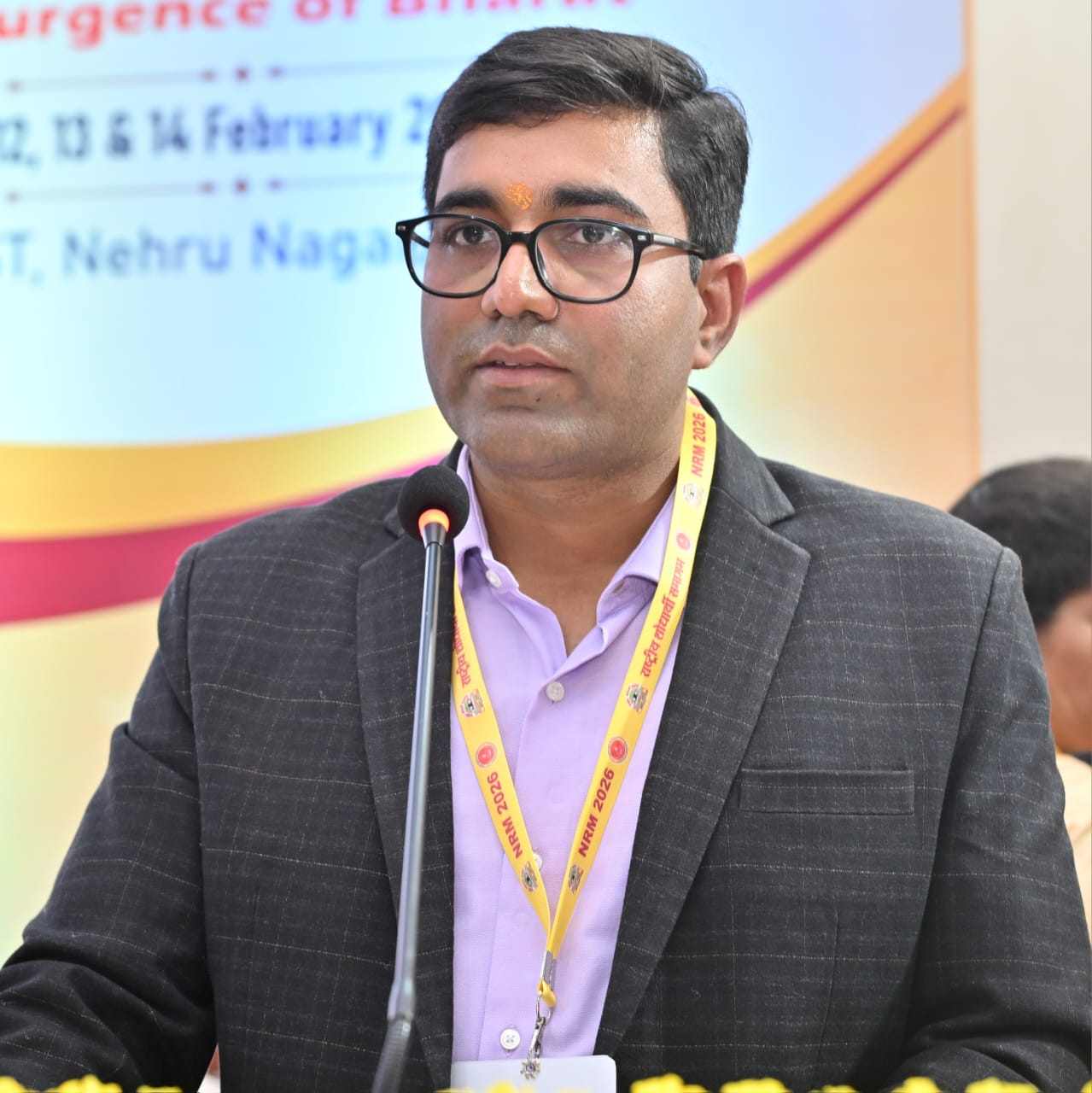
Prof. Prabhakar Pandey
HOD, Sanchi University, MP
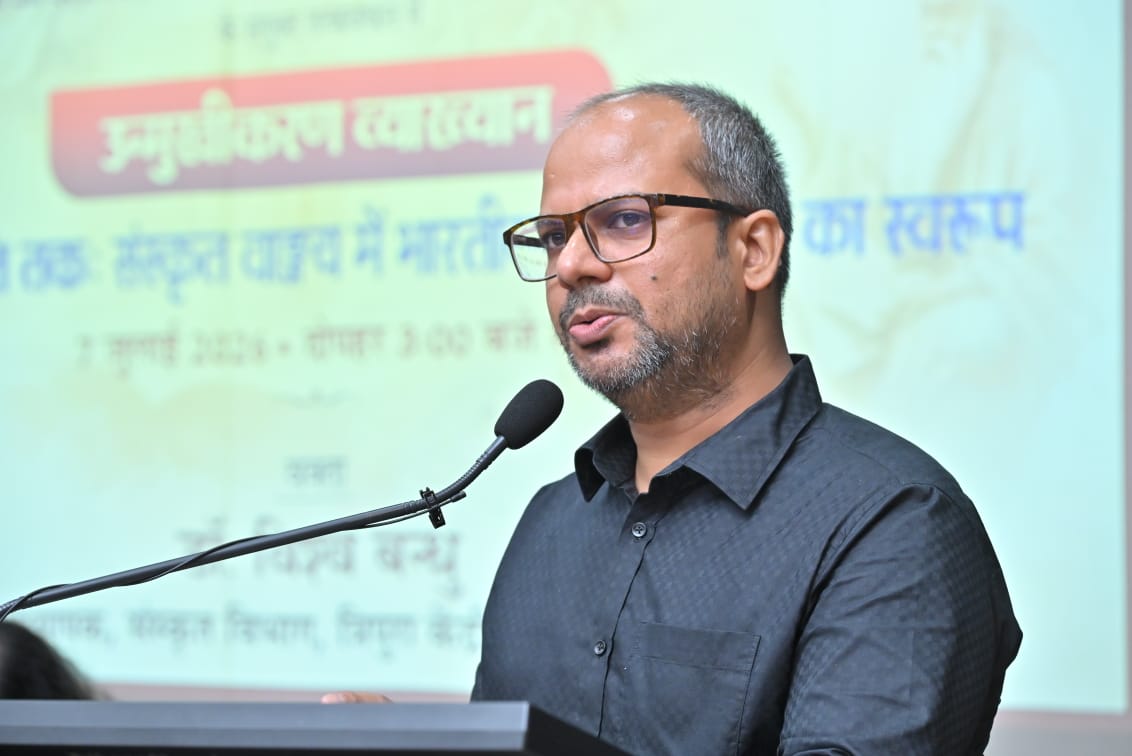
Prof. Vishbandhu Ji
Professor, Tripura University
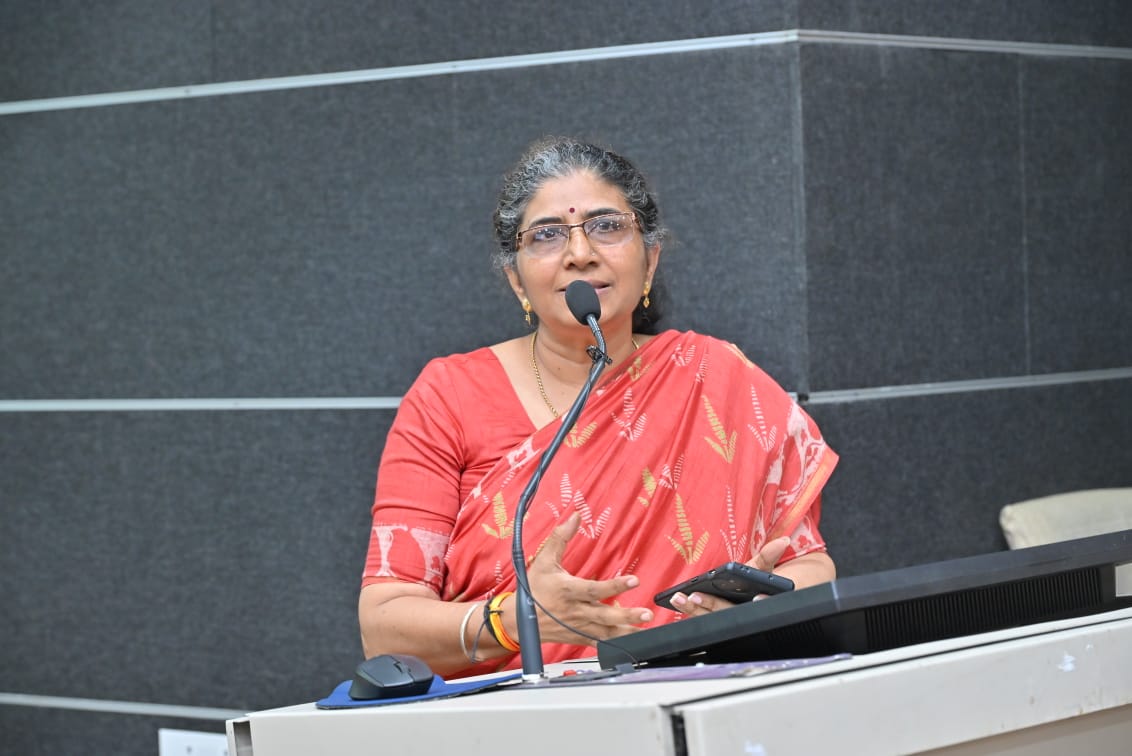
Prof. Alpana Trivedi
HE, MP
A Transition to Data-Informed Holistic Student Growth
By utilizing existing school hours and upgrading teaching resources with robust enterprise technology, the State Government can establish a leading role in executing modern national education mandates. This framework builds high socio-emotional resilience across student populations while creating clear, organized talent funnels that drive long-term economic development.